David Schmitz · 18 November 2026
Urban Museums Draw Crowds with Interactive Displays Inspired by Woodland Fire Traditions
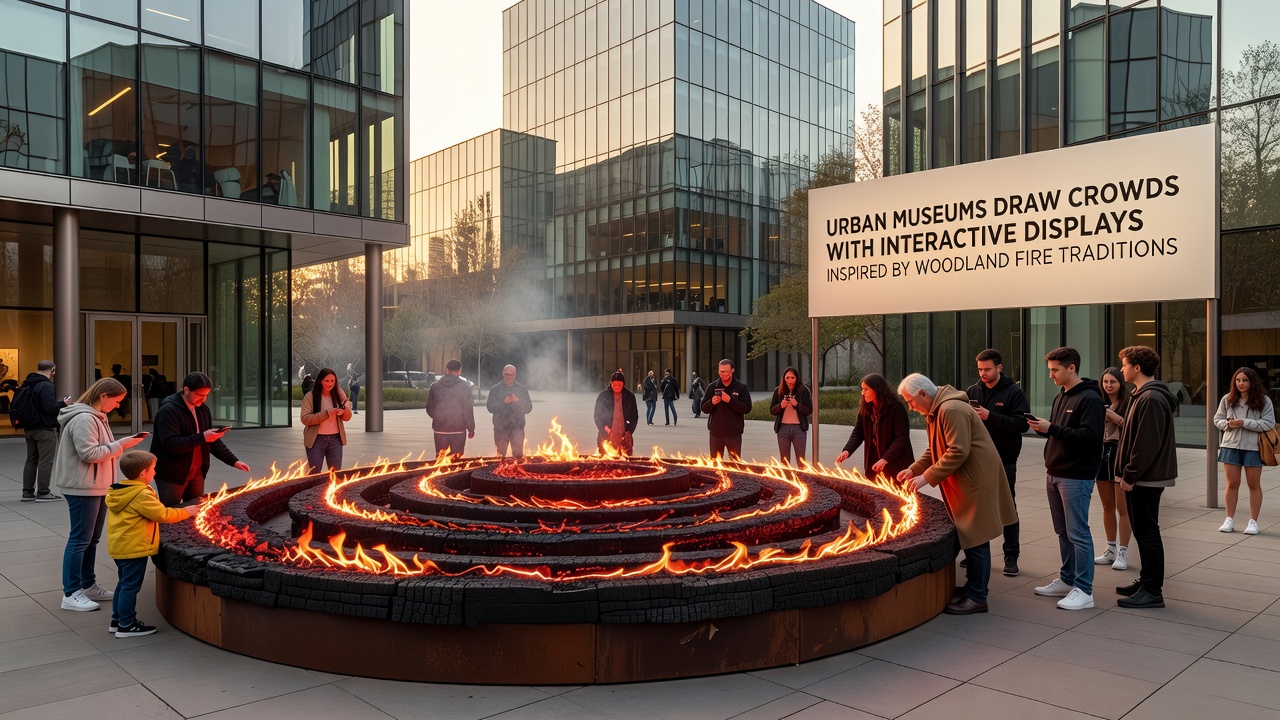
Urban museums across major cities have reported increased attendance figures as they incorporate interactive displays modeled on woodland fire traditions from various regions, and data from cultural institutions shows visitor numbers rising steadily over the past two years. These exhibits combine digital projections, sensor-based interactions, and historical records to illustrate how controlled burns and ember patterns have shaped forest ecosystems for centuries. Research from multiple academic sources indicates that such approaches help explain complex environmental processes in accessible formats, drawing families, students, and researchers alike.
Exhibit Designs Rooted in Traditional Practices
Design teams at these museums have studied indigenous fire management techniques from North America and Australia, translating them into touch-sensitive panels that simulate ember spread under different moisture conditions. According to records maintained by the National Park Service, historical fire data from protected woodlands provides the baseline for many of these simulations, allowing users to adjust variables like wind speed and vegetation density in real time. Observers note that the displays often feature multi-sensory elements including subtle heat variations and audio recordings of crackling fires, which help convey the rhythm of seasonal burn cycles without requiring travel to remote sites.
One installation in a Midwestern city museum uses motion-tracking technology to let groups collaborate on virtual fire breaks, mirroring community-led practices documented in early 20th-century forestry reports. Figures from attendance logs reveal that sessions with these collaborative features run longer on average than static exhibits, with repeat visits increasing by measurable margins. Experts at regional universities have contributed datasets on microclimate effects, ensuring the models reflect documented shifts in rainfall and temperature patterns observed over recent decades.
Attendance Trends and Visitor Demographics
Attendance data compiled through 2025 shows consistent growth at institutions that adopted these fire-tradition themes, with November periods historically marking peak engagement due to seasonal programming. Museums in dense urban centers report that school groups and corporate teams book blocks for the interactive components, while individual visitors often spend additional time exploring accompanying timelines of ecological recovery after burns. Studies conducted by research networks in Canada and the European Union highlight similar patterns, where hands-on elements tied to land stewardship traditions correlate with higher satisfaction scores in post-visit surveys.
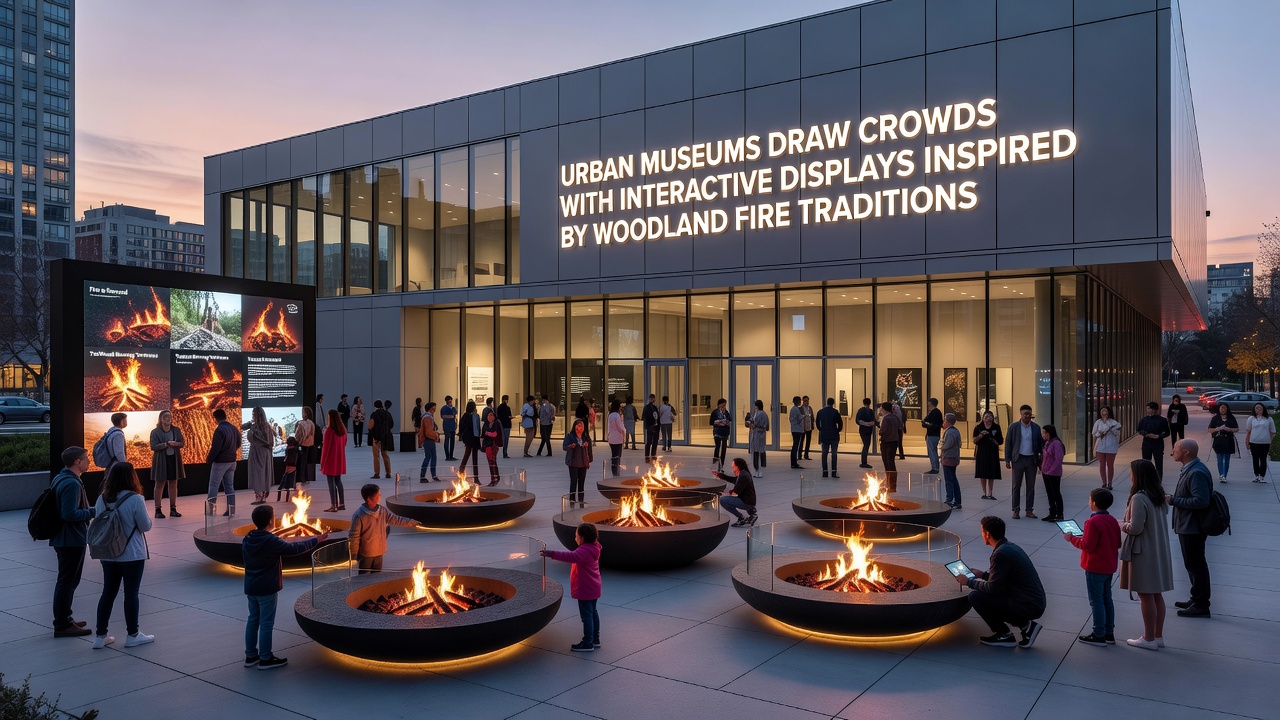
Demographic breakdowns indicate strong interest from younger audiences familiar with digital interfaces, yet older participants frequently reference personal connections to rural landscapes when describing their experiences. Data collected through entry systems and feedback kiosks demonstrates that these exhibits serve as entry points for broader discussions on climate resilience, with many visitors extending their stays to review related archival materials on forest management. Institutions track these flows through anonymized metrics, noting that the combination of tradition and technology sustains interest across multiple age brackets.
Integration of Scientific Data and Cultural Context
Curators have worked with ecologists to embed verified measurements of ember intensity and biodiversity responses into the displays, drawing from long-term monitoring projects in mountainous regions. This approach allows users to compare historical fire regimes with contemporary observations, revealing connections between traditional knowledge and current environmental monitoring. Reports from Australian research bodies on Aboriginal land practices supply additional layers, showing how seasonal timing of burns influences species distribution in ways that parallel findings from North American sites.
Programming scheduled for November 2026 includes expanded modules that incorporate real-time weather feeds, enabling live comparisons between simulated and actual conditions in partner woodland areas. These updates build on existing frameworks while introducing new variables such as urban heat island effects that influence how fire patterns translate to city-adjacent green spaces. Participation numbers from prior seasonal events suggest these additions will maintain the upward trajectory in daily foot traffic.
Conclusion
Urban museums continue to refine these interactive formats by incorporating feedback from diverse user groups and fresh datasets on woodland dynamics. The focus remains on presenting established traditions and scientific observations through engaging interfaces that accommodate varying levels of prior knowledge. As attendance records accumulate and cross-institutional collaborations expand, the displays function as consistent points of connection between city residents and the broader history of fire in natural landscapes.