Uma Bennett · 4 November 2026
Ember Glow Simulations Find Role in Corporate Stress Management Programs
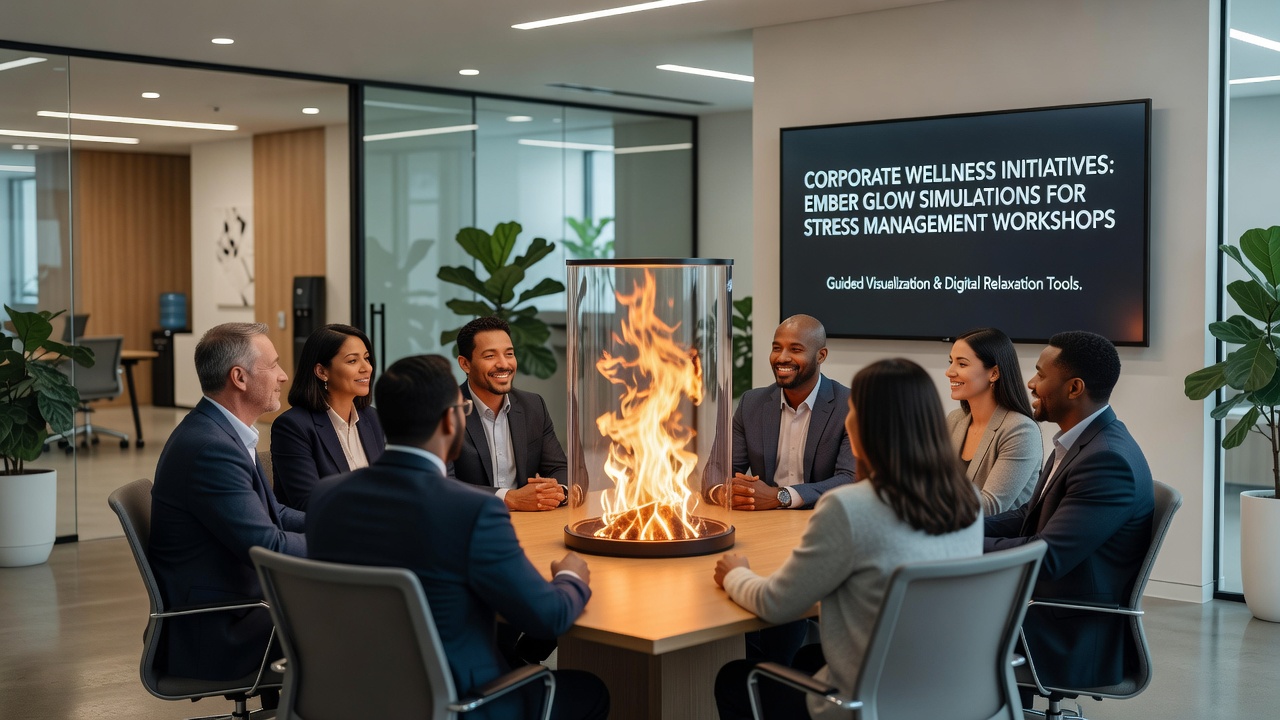
Corporate wellness teams have begun integrating Ember Glow simulations into stress management workshops as organizations seek new approaches to employee well-being, and data from multiple regions shows rising adoption rates through 2026. These simulations recreate the visual and atmospheric qualities of ember glow events using controlled lighting, sound design, and projection technology to create immersive environments that participants use for guided relaxation exercises.
Programs launched in various industries during late 2025 and continued expanding into November 2026, when several multinational companies scheduled pilot sessions across North American and European offices. Observers note that the timing coincided with post-pandemic reviews of mental health initiatives, and figures from workplace health reports indicate that stress-related absenteeism remains a measurable concern for employers.
Implementation Patterns Across Organizations
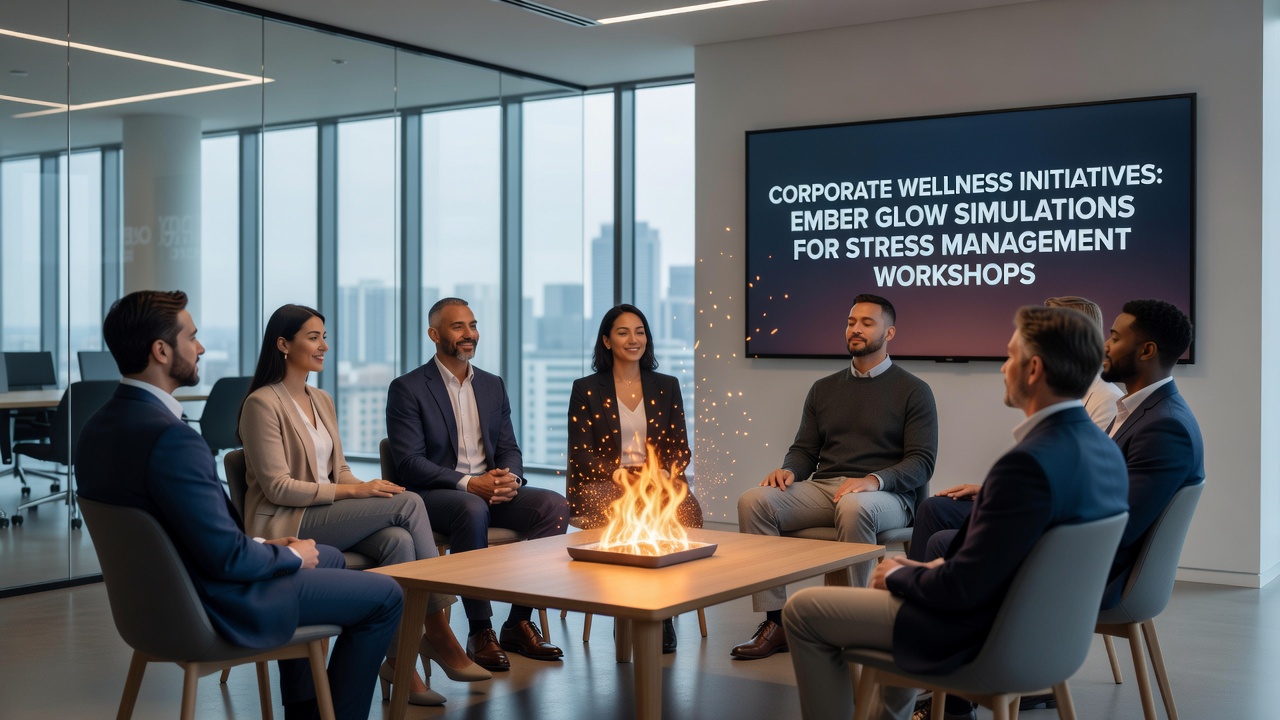
Human resources departments coordinate with technology providers to install temporary simulation setups in conference rooms or dedicated wellness spaces, while trainers lead sessions that combine breathing techniques with visual focus on the simulated ember patterns. Research from the National Institutes of Health links similar visual meditation practices to reduced cortisol levels in controlled studies, and companies reference these findings when justifying program budgets. Canadian workplace safety boards have also published guidelines that encourage employers to document participation and outcomes from such interventions.
One manufacturing firm in the Midwest reported rolling out weekly 45-minute sessions after reviewing internal survey data that showed elevated self-reported stress scores among shift workers. Participants move through phases that start with ambient ember glow projections, then transition to synchronized audio cues designed to pace respiration, and the format allows groups of eight to twelve employees per session without requiring specialized equipment beyond projectors and speakers.
Supporting Data and External Benchmarks
Industry reports compiled by the World Health Organization highlight that workplace mental health programs incorporating sensory elements achieve higher retention than lecture-based formats alone, and the same documents note measurable improvements in employee engagement metrics when sessions occur during regular work hours rather than after hours. Australian health agencies have tracked comparable initiatives and found that participants who attend at least four sessions over two months show statistically significant drops in reported anxiety scores on standardized questionnaires.
What's interesting is how the simulations adapt to different cultural contexts. Teams in Scandinavian offices adjust the color temperature of the ember glow to align with local preferences for cooler tones, whereas facilities in warmer climates experiment with warmer palettes that echo regional fire traditions. These customizations remain grounded in the same core technology stack, which relies on LED arrays and software that modulates intensity based on real-time biometric feedback from optional wearable devices.
Training and Evaluation Methods
Facilitators complete certification modules that cover both the technical operation of simulation hardware and basic principles of mindfulness instruction, and certification records show that over 1,200 trainers completed programs by mid-2026 according to industry association tallies. Evaluation relies on pre- and post-session surveys plus optional follow-up assessments at 30 and 90 days, with aggregated results shared in anonymized form to comply with privacy regulations across jurisdictions.
Some organizations pair the simulations with outdoor ember glow observation opportunities when seasonal festivals occur nearby, creating a hybrid model that alternates between virtual and live exposure. Data collected by university research groups in the United States indicates that this combination approach produces longer-lasting effects on sleep quality measures than simulation-only protocols, although the studies emphasize the need for larger sample sizes before drawing firm conclusions.
Conclusion
Corporate wellness initiatives continue to evolve as Ember Glow simulations gain traction in stress management workshops, and ongoing monitoring by health authorities and research institutions provides the factual basis for future refinements. Organizations track participation numbers, session completion rates, and standardized well-being indicators to assess program value, while technology providers update simulation parameters based on aggregated user feedback. The pattern established through 2026 suggests sustained interest provided that measurable outcomes remain documented and accessible to decision makers.