David Schmitz · 7 October 2026
Breakthrough Analysis of Ember Glow Patterns Forecasts Biodiversity Shifts in Forest Ecosystems
Scientists have begun mapping ember glow intensity across multiple woodland sites, and the resulting data sets reveal consistent correlations with species diversity metrics, soil nutrient cycles, and seasonal migration patterns, while teams continue refining spectral analysis tools to isolate the precise wavelengths tied to microbial activity and insect populations.
Studies launched in early 2025 across temperate forests in North America and parts of Europe documented how ember glow fluctuates in response to moisture levels, temperature gradients, and canopy density, and researchers note that these fluctuations often precede measurable changes in bird, mammal, and plant communities by several months.
Methods Driving the Latest Findings
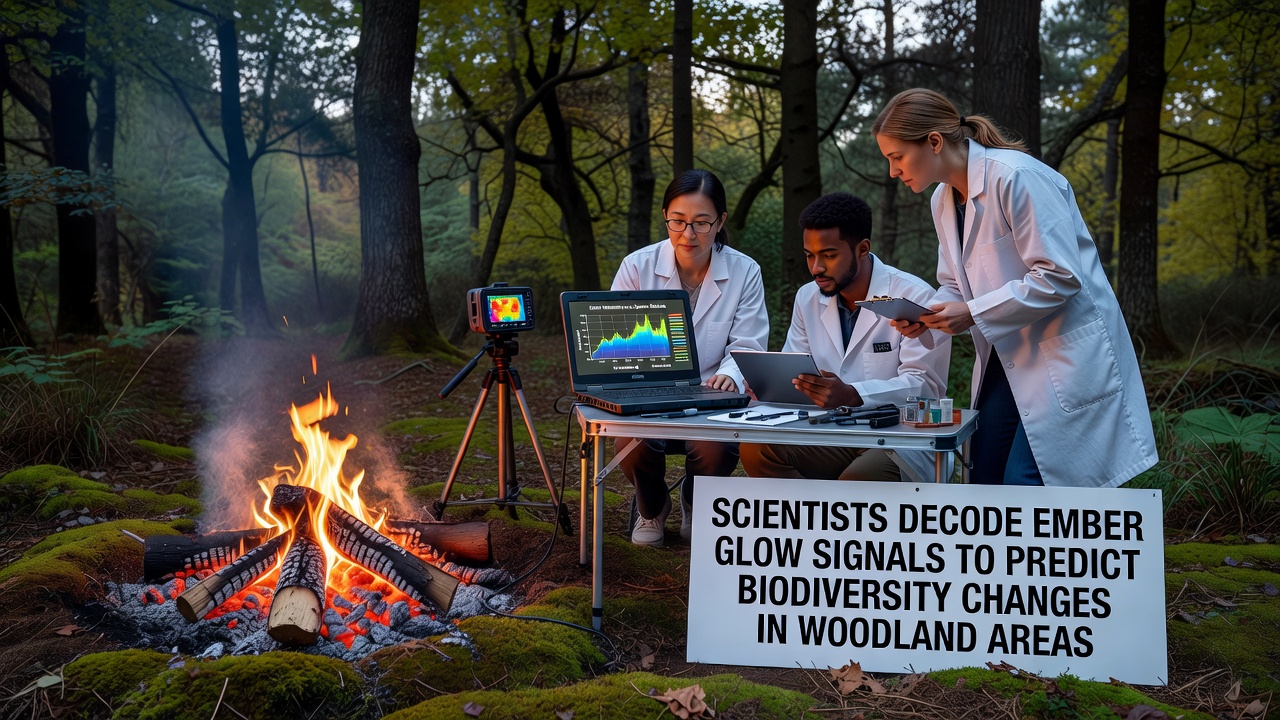
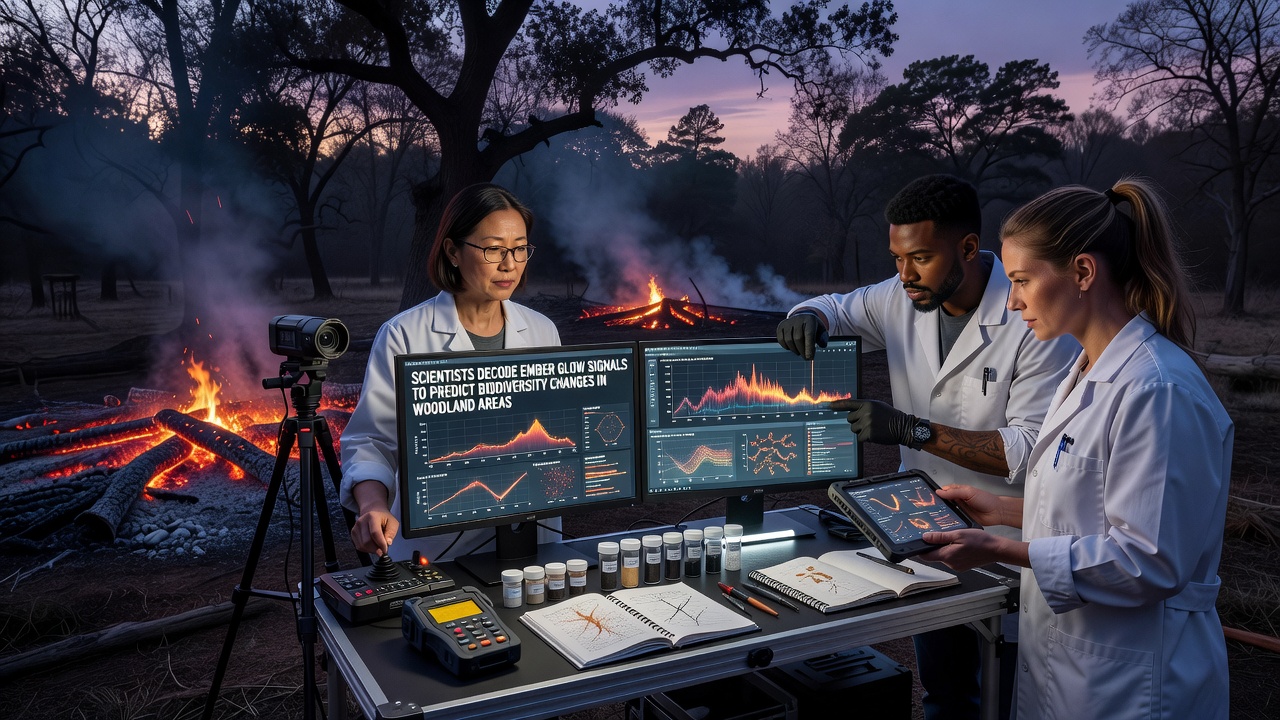
Teams equipped portable spectrometers with filters tuned to the 520-580 nanometer range, and they recorded nightly readings at fixed transects, then cross-referenced those readings against camera-trap inventories and acoustic sensors, which allowed them to build predictive models that link glow duration and brightness to the presence of specific fungi and decomposer beetles.
Data collected through October 2026 showed that sites experiencing prolonged ember glow episodes maintained higher counts of understory herbs and ground-nesting invertebrates, whereas areas with abrupt drops in glow intensity registered declines in those same groups within two seasons.
Regional Patterns and Data Integration
Observers working in the Pacific Northwest compared glow records with satellite-derived vegetation indices, and the combined datasets indicated that ember glow peaks align with periods of active nitrogen fixation by soil microbes, while similar work in the boreal forests of Canada has begun incorporating drone-based multispectral imaging to scale the observations across larger landscapes.
One study coordinated by researchers at the University of Melbourne integrated ember glow readings with rainfall anomaly maps, and the analysis demonstrated that prolonged dry spells suppress glow output before measurable losses in amphibian and fern diversity appear in field surveys.
Applications for Land Management
Forestry agencies have started incorporating glow-based forecasts into habitat restoration schedules, and managers in several Australian eucalypt woodlands now adjust controlled burn timings to preserve microbial communities that sustain the glow signals, whereas European conservation groups use the same indicators to prioritize areas for invasive species removal before native plant diversity drops.
Training programs for field technicians emphasize calibration of handheld units against laboratory standards, and participants learn to distinguish ember glow from competing light sources such as moonlight reflection or bioluminescent fungi, which improves the reliability of long-term monitoring networks.
Future Monitoring Networks
Plans are underway to link regional glow databases into a shared platform hosted by the Australian Department of Climate Change, Energy, the Environment and Water, and project leads expect the platform to support real-time alerts when glow patterns deviate from historical baselines, allowing rapid response teams to investigate potential stressors.
Additional partnerships with the Environment and Climate Change Canada aim to extend coverage into northern woodland corridors, and preliminary trials have confirmed that standardized protocols produce comparable results across different forest types despite variations in species composition.
Conclusion
Continued refinement of ember glow decoding techniques promises earlier detection of biodiversity trajectories, and the integration of ground-level readings with remote sensing already enables managers to allocate resources more precisely across large woodland regions, while ongoing validation studies track model accuracy against independent field measurements collected through multiple growing seasons.